



Enterprises are generating more data than ever through connected devices, industrial sensors, smart equipment, and digital infrastructure. At the same time, many business decisions now depend on immediate insights rather than delayed reporting from centralized systems. As a result, Edge Computing is becoming a critical capability for organizations that need Real Time Analytics across IoT environments.
However, deploying edge-enabled systems is not only a technology challenge. It is also a workforce capability challenge. Enterprises need teams that understand how to process data closer to devices, manage distributed infrastructure, support Edge AI workloads, and maintain performance across complex environments. Therefore, organizations are investing in enterprise training, workforce upskilling, and role-based learning to build the Edge Computing skills needed for faster analytics, smarter operations, and scalable IoT adoption.
Why Edge Computing Matters for Real Time Analytics in IoT Systems
Edge Computing Skills are essential for enterprises that need faster decision-making, lower latency, and more efficient IoT operations. Instead of sending every data point to a centralized cloud environment, edge architectures process data closer to the source. This approach reduces latency, improves responsiveness, and supports time-sensitive use cases such as predictive maintenance, quality monitoring, asset tracking, and industrial automation.
According to Edge Computing, computing resources placed near data sources help reduce bandwidth use and support low-latency processing. Therefore, enterprises adopting IoT at scale must ensure their teams can design, operate, and optimize edge environments that deliver reliable Real Time Analytics while maintaining security, scalability, and operational control.
- Reduce latency for time-sensitive analytics and decision-making
- Improve responsiveness across connected devices and smart systems
- Lower bandwidth usage by processing data closer to the source
- Support real-time monitoring in industrial and operational environments
- Improve resilience when connectivity to central systems is limited
- Enable faster automation and event-driven responses
- Create a stronger foundation for Edge AI and intelligent IoT systems
Core Edge Computing Skills Enterprise Teams Need
Edge Computing Skills go beyond basic infrastructure knowledge. Enterprise teams need a combination of IoT, cloud, networking, data processing, and operational skills to manage edge environments effectively. In addition, they must understand how distributed systems interact with devices, analytics platforms, and business workflows.
As edge adoption grows, organizations need professionals who can design data flows, manage device connectivity, optimize edge workloads, and support Real Time Analytics use cases without creating operational complexity. Therefore, workforce development programs should focus on practical skills that connect Edge Computing, IoT operations, and enterprise performance requirements.
- Edge architecture planning and deployment fundamentals
- IoT device connectivity and data flow management
- Real Time Analytics pipeline design
- Edge data filtering, aggregation, and processing
- Network latency and bandwidth optimization awareness
- Containerized workload management at the edge
- Cloud-to-edge integration and orchestration
- Data Security and access control for distributed environments
- Monitoring and troubleshooting across edge systems
Real Time Data Processing Skills for Edge Enabled IoT Operations
Real Time Analytics depends on how efficiently data is collected, processed, and acted on at the edge. That means enterprise teams must understand not only how data moves from devices to systems, but also how to identify which data should be processed locally, forwarded to the cloud, or stored for later analysis.
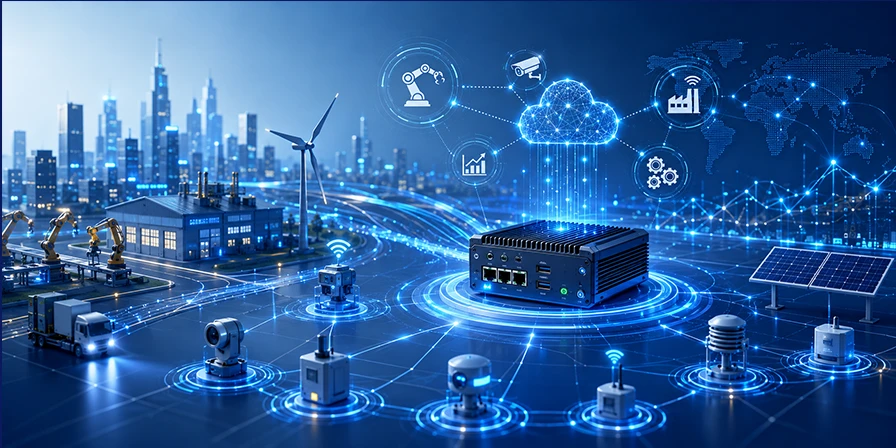
Moreover, Real Time Analytics in IoT systems often supports operational decisions that affect uptime, safety, quality, and customer experience. Delays in processing can reduce the value of insights. Strong data processing skills help organizations improve responsiveness while reducing unnecessary data transfer and infrastructure load.
Cognixia’s Data & AI Training programs and Operations Engineering Training programs can help enterprises strengthen the data and operational capabilities needed for edge-enabled analytics environments.
- Streaming data processing awareness for edge analytics workflows
- Local event filtering and prioritization strategies
- Sensor data normalization and quality management
- Edge-to-cloud data synchronization planning
- Low-latency alerting and response design
- Data retention and routing decisions for analytics workloads
- Operational monitoring of real-time edge data pipelines
Edge AI, 5G, and Smart Device Skills Driving Next Generation IoT
Edge Computing becomes even more powerful when combined with Edge AI, 5G connectivity, and intelligent device ecosystems. These technologies allow enterprises to analyze data closer to where it is generated, automate decisions in near real time, and support advanced use cases such as video analytics, anomaly detection, autonomous operations, and smart manufacturing.
However, these capabilities require new skills across engineering, operations, and digital transformation teams. Employees must understand how edge infrastructure supports AI models, how 5G improves connectivity and responsiveness, and how smart devices interact with distributed data systems. As a result, enterprise training plays an important role in preparing teams for the next phase of IoT growth.
Cognixia helps organizations build future ready capabilities through Enterprise Upskilling Programs aligned to emerging technologies, data processing, and digital workforce transformation.
- Edge AI deployment awareness for local inference use cases
- 5G-enabled connectivity planning for IoT performance improvement
- Smart device integration across edge environments
- Distributed workload orchestration for intelligent systems
- AI-driven event detection and response workflows
- Operational readiness for high-volume device environments
- Cross-functional collaboration between IoT, data, and infrastructure teams
- Scalable architecture thinking for future edge expansion
Building a Future Ready Workforce for Edge Computing and IoT Analytics
Edge Computing is no longer a niche capability. It is becoming a core part of enterprise strategies for IoT, automation, operational intelligence, and digital transformation. Therefore, organizations need structured workforce development plans that prepare technical teams to manage edge infrastructure, support Real Time Analytics, and scale IoT systems with confidence.
In addition, enterprises that invest in training can improve implementation readiness, reduce operational risk, and accelerate adoption of new edge-enabled business models. By building Edge Computing skills across infrastructure, data, and device-focused teams, organizations can improve agility while creating a stronger foundation for innovation.
Cognixia’s enterprise training programs help organizations strengthen Edge Computing, IoT, and Real Time Analytics capabilities through workforce upskilling, role-based learning, and future ready digital skills development.
- Enterprise training for Edge Computing and IoT workforce readiness
- Role-based upskilling for analytics, operations, and infrastructure teams
- Real Time Analytics capability development for connected systems
- Edge AI and smart device readiness for digital enterprises
- Training aligned to automation, data processing, and operational performance
- Workforce transformation support for distributed technology environments
- Future ready skill development for enterprise IoT growth
Ready to Upskill Your Edge Computing Teams?
Cognixia helps enterprises build Edge Computing, IoT, and Real Time Analytics capabilities through corporate training and workforce upskilling programs.
Talk to Experts
Conclusion
Edge Computing is reshaping how enterprises process data, run analytics, and operate connected systems at scale. Yet the success of edge initiatives depends on more than infrastructure investment. Organizations need teams with the skills to manage distributed environments, support Real Time Analytics, integrate IoT systems, and prepare for emerging technologies such as Edge AI and 5G. By investing in enterprise training and workforce upskilling, businesses can build the capabilities needed to turn Edge Computing into a practical advantage for performance, agility, and long-term innovation.