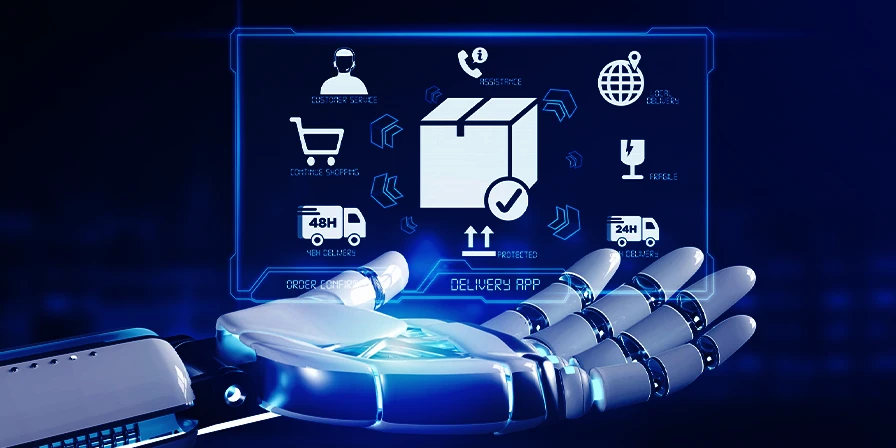
Global supply chains are becoming increasingly complex and data-driven. Traditional logistics systems often struggle to keep up with real-time demands and operational disruptions. As a result, AI Automation in Supply Chain is emerging as a critical capability for enterprises aiming to improve efficiency and resilience. Organizations are leveraging Artificial Intelligence to optimize operations, enhance visibility, and reduce costs. Therefore, investing in corporate training and workforce upskilling is essential for enabling employees to manage AI-driven systems effectively. Future ready enterprises are prioritizing AI-powered automation to transform supply chain and logistics operations.
The Role of Artificial Intelligence in Supply Chain Automation
AI Automation in Supply Chain is enabling enterprises to transform logistics operations using Artificial Intelligence and Automation. Organizations are adopting intelligent systems to automate repetitive processes and improve decision-making accuracy. Consequently, supply chain operations become faster, more efficient, and highly responsive. In addition, AI-driven automation enhances visibility across complex logistics networks.
According to Artificial Intelligence, machines can perform tasks that typically require human intelligence. Therefore, enterprises can leverage AI to analyze large datasets and generate actionable insights in real time. This capability supports predictive decision-making and operational optimization. As a result, organizations achieve improved efficiency and reduced operational risks.
- Automation of logistics and supply chain workflows
- Improved operational efficiency and accuracy
- Enhanced real-time visibility across supply chains
- Reduced costs through optimized resource management
Core AI Skills for Supply Chain and Logistics Teams
AI Automation in Supply Chain combined with Predictive Analytics and AI Optimization skills is essential for enterprise success. Organizations must develop capabilities that enable teams to manage AI systems and interpret data effectively. Therefore, workforce upskilling programs should focus on both technical and analytical competencies.
Moreover, enterprises must align AI initiatives with broader supply chain strategies. Structured corporate training ensures employees understand how to leverage AI tools for operational improvements. Cognixia’s Applied AI training programs help organizations build scalable AI capabilities tailored to supply chain environments.
- Data analysis and predictive modeling
- AI-driven logistics optimization techniques
- Integration of AI systems with supply chain platforms
- Understanding operational and performance metrics
Predictive Analytics and AI Optimization in Logistics
Predictive Analytics is transforming how enterprises manage supply chain operations. It enables organizations to forecast demand, optimize inventory, and reduce disruptions. As a result, businesses can make proactive decisions instead of reactive adjustments.
In addition, AI Optimization techniques enhance logistics performance by analyzing real-time data. These technologies help identify inefficiencies and recommend improvements. Consequently, enterprises can streamline operations and improve delivery timelines. This leads to better customer satisfaction and stronger business outcomes.
- Demand forecasting using predictive analytics
- Inventory optimization and management
- Real-time logistics performance monitoring
- Improved delivery accuracy and efficiency
Enterprise Logistics Technology and Business Impact
Logistics Tech is evolving rapidly with the integration of Artificial Intelligence. Enterprises are leveraging AI-driven systems to enhance operational efficiency and scalability. Therefore, AI Automation in Supply Chain is becoming a strategic priority for organizations focused on growth.
Furthermore, enterprises must align technology adoption with workforce capabilities. Cognixia’s enterprise upskilling programs and workforce transformation consulting support organizations in building future ready supply chain teams. As a result, enterprises can drive innovation while maintaining operational excellence.
- Improved operational efficiency across supply chains
- Enhanced scalability for growing business demands
- Reduced operational risks and disruptions
- Data-driven decision-making capabilities
Building Future Ready Supply Chain Capabilities
Enterprises must adopt a strategic approach to AI-driven supply chain transformation. Therefore, investing in Training Programs and workforce development is essential for long-term success. Organizations need to build capabilities that support automation, analytics, and continuous improvement.
Cognixia’s Operations Engineering training programs help enterprises develop advanced supply chain capabilities. These enterprise programs focus on skill development, system integration, and performance optimization. As a result, organizations can create future ready teams capable of managing complex logistics ecosystems powered by Artificial Intelligence.
- Continuous employee upskill initiatives
- Integration of AI into supply chain strategy
- Alignment with enterprise technology goals
- Scalable automation across logistics operations
Transform Supply Chains with AI
Learn how AI automation is reshaping logistics and enterprise operations

Conclusion
AI Automation in Supply Chain is transforming how enterprises manage logistics and operations. Organizations that invest in Artificial Intelligence and automation can improve efficiency, reduce costs, and enhance decision-making. However, success depends on workforce readiness and structured corporate training programs. By developing expertise in predictive analytics, logistics technology, and AI optimization, enterprises can unlock new growth opportunities. Future ready organizations that prioritize AI Automation in Supply Chain will lead the next phase of supply chain innovation.